
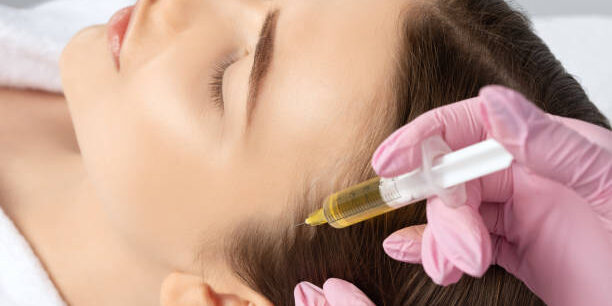
The food that one must avoid post-PRP session is primarily caffeine. You may wonder why no caffeine after PRP.
Well, caffeine is a primary concern; other foods to avoid after PRP include:
- Alcohol increases bleeding risk, dehydration, and inflammation.
- High-dose anti-inflammatory supplements or foods such as excessive turmeric, garlic, and fish oil. These are blood thinners and hence should be laid off as advised by a physician.
- Processed sugars and refined carbs promote systemic inflammation.
- High-saturated fat meals and fried foods hinder tissue repair.
Prioritize anti-inflammatory, nutrient-dense options like berries, leafy greens, lean proteins, and plenty of water to support platelet function and recovery.
How Long Should I Avoid Coffee After PRP Treatment?
The recommended window is 3-7 days post-PRP treatment. But the wean-off period varies by treatment type and provider advice.
For most aesthetic and hair restoration procedures, the care period is 3–5 days. If you had joint injections, up to 7 days may be suggested to minimize any potential interference with healing.
Why Can’t I Have Caffeine After PRP Therapy?
This is very common—to wonder why no caffeine after PRP. The caffeine and coffee compounds inhibit platelet aggregation and activation. It may impact the PRP’s regenerative potential, may increase swelling, and prolong the recovery period.
Does Tea Count as Caffeine After PRP?
In essence, teas such as black, green, and oolong tea should be avoided for their caffeine content. These act almost similarly as coffee. You can consume caffeine-free herbal teas (e.g., chamomile, rooibos).
Is Decaf Coffee Safe After PRP Treatment?
Decaf contains trace caffeine and phenolic compounds that may still mildly inhibit platelet aggregation. It’s best to skip all coffee, including decaf. During the initial recovery period, opt for non-coffee beverages.
How Soon After PRP Can I Have Coffee?
You can typically resume caffeine after 3–7 days, starting with small amounts. Monitor for increased swelling or discomfort, and consult your provider for personalized timing.
Can I Drink Coffee Before PRP?
Avoid caffeine for at least 24–72 hours before treatment, as it may affect platelet quality in the blood draw and overall procedure efficacy.
How Caffeine Affects Circulation & Platelets
Nothing catastrophic may happen, but it will delay and worsen the healing process. Caffeine intake may heighten bruising/swelling, disrupt the platelet function, and modestly reduce the treatment benefits.
While it is not catastrophic for occasional intake, if you avoid it strictly, it will optimize the results and healing time.
Why Avoiding Caffeine Post-PRP May Improve Healing
The core problem is when caffeine is not hampering the platelets to aggregate, impact release growth factors, and drive regeneration without disruption. When you lay off caffeine entirely, it often results in faster recovery and enhanced outcomes.
At Hamilton Wellness in Hamilton, NJ, our experts provide tailored PRP aftercare guidelines near Hamilton, NJ, and PRP aftercare instructions near me in Hamilton, NJ.
Frequently Asked Questions
What causes PRP to fail?
Common causes include non-adherence to aftercare (e.g., NSAIDs, smoking, alcohol/caffeine), underlying conditions (e.g., low platelet counts, autoimmune issues), technical factors, or overly high expectations. With proper guidelines, you can reduce risks.
Can PRP be used on the shoulder?
Yes! PRP is often opted for shoulder-related sports injuries, rotator cuff injuries, labral tears, osteoarthritis, or tendinopathy to promote natural joint and tendon healing.
What not to drink after PRP?
Avoid caffeine (coffee, tea, and energy drinks), alcohol, and sugary beverages. In fact, hydrate with water, herbal teas, and moderate electrolyte drinks for better results.
What happens if I drink caffeine after PRP?
Caffeine can cause inflammation, bruising, or diminished platelet efficacy, leading to suboptimal healing.
Can I drink coffee before PRP?
No, abstain beforehand to preserve optimal platelet function.
Why avoiding caffeine post-PRP may improve healing?
It prevents interference with platelet aggregation and circulation, enabling full growth factor release for superior tissue repair.
For Consultation
- Call Doctor: +609-588-0185
- Visit Us: Address: 1255 Whitehorse Mercerville Rd Bldg B, Suite 507, Hamilton Township, NJ 08619