
Regaining your confidence shouldn’t depend on a complex insurance policy. Whether you’re battling thinning hair or a stubborn sports injury, PRP (platelet-rich plasma) offers a cutting-edge alternative to invasive surgery. But as any Blue Cross Blue Shield policyholder knows, ‘innovative’ often translates to ‘out-of-pocket’ in the eyes of insurance adjusters.
If you’ve been asking, “Does Blue Cross Blue Shield cover PRP injections?” you’re not alone. If you’ve been told PRP is “experimental” despite encouraging clinical results, many policyholders share the same frustration. Let’s look at the current BCBS coverage landscape and the steps you can take to make this investment in your health more affordable.
First, understand what PRP treatment is, how the procedure works, and what factors influence insurance coverage.
What is PRP treatment?
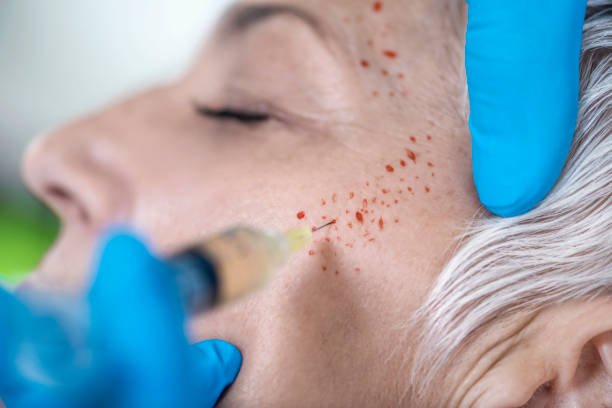
PRP treatment has gained significant attention because it involves injecting concentrated platelets from the patient’s own blood into a targeted area to stimulate the body’s natural healing process. In PRP hair restoration, the platelet-rich plasma is injected into the scalp to encourage hair growth and reduce further hair loss.
The coverage for this procedure under Blue Cross Blue Shield depends on medical necessity and the specific policy guidelines. Many patients researching does BCBS cover PRP injections discover that coverage is often limited and varies by plan. PRP may be considered for coverage if a qualified healthcare provider determines that it is medically necessary and all insurer requirements are met.
The focus is typically on treatments addressing underlying medical conditions contributing to hair loss.
PRP injections also have potential benefits beyond hair restoration. Many patients inquire about related aesthetic treatments, such as dermal fillers near me, to further enhance their appearance. The synergistic effects of such treatments highlight their growing popularity.
Also read: THE CRUCIAL ROLE OF POST-PRP CAFFEINE PROTOCOL FOR OPTIMAL OUTCOMES
Side Effect of PRP Injection:
PRP injections are generally safe, with common side effects including temporary swelling, redness, bruising, or mild discomfort at the injection site. These effects are usually short-lived and resolve within a day.
Although infection is uncommon, individuals should discuss potential risks with their healthcare provider before undergoing PRP treatment.
Also read: Decoding Microneedling with PRP Pricing: What Influences the Cost?
Blue Cross Blue Shield Coverage Policies:
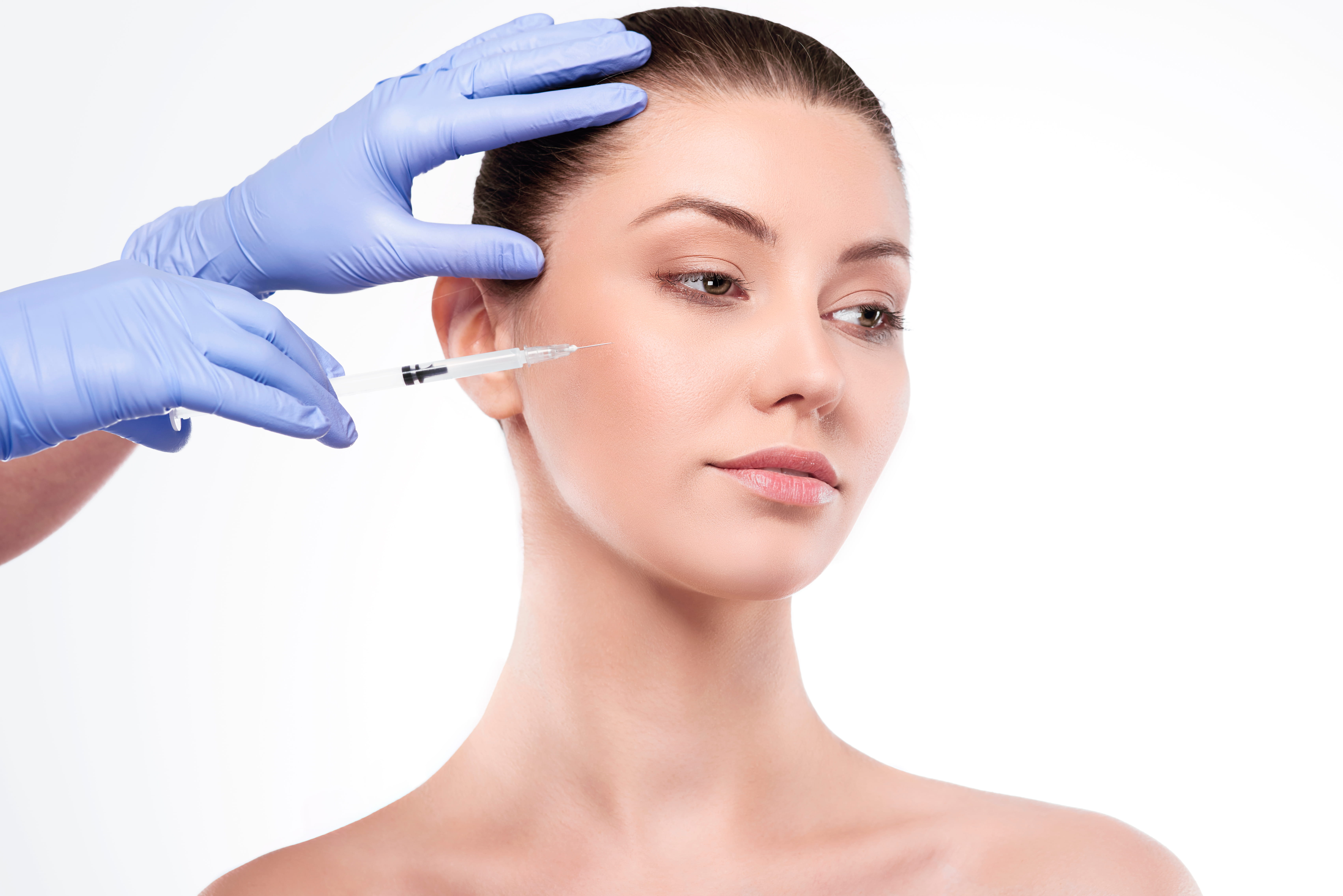
Blue Cross Blue Shield is a national federation of independent, community-based, and locally operated health insurance companies that offer a wide range of plans for individuals and families. Because benefits differ between plans, members should contact their insurance provider directly for information regarding PRP coverage.
One of the most common questions patients ask is does Blue Cross cover PRP injections for hair restoration, joint pain, or sports injuries?” In most cases, PRP is considered investigational or experimental, which means coverage is often excluded unless specific medical necessity criteria are met.
Patients should also inquire about any documentation, prior authorization requirements, and clinical criteria needed for potential reimbursement to gain a complete understanding of their benefits.
Generally, Blue Cross Blue Shield does not provide coverage for treatments addressing hair loss conditions such as alopecia areata or cicatricial alopecia because PRP remains outside standard covered therapies in many policies.
Patients considering complementary options like dermal fillers near me often find these treatments combine well with PRP injections, offering both functional and aesthetic enhancements. Consulting with a qualified provider about combined therapies is recommended.
Also read: From Injection to Impact: Understanding PRP’s Time Frame for Hair Regrowth
Rejuvenate Your Hair With PRP Hair Treatment At Hamilton Health And Wellness:
PRP injections are an effective option for treating hair loss by using the patient’s own blood components to stimulate natural hair growth and improve follicle health. However, insurance coverage under Blue Cross Blue Shield may vary depending on your policy and medical condition.
If you’re searching for the best PRP treatment near you, Hamilton Health and Wellness is committed to providing personalized care and advanced regenerative therapies tailored to your needs.
Our experienced providers will evaluate your condition, discuss realistic expectations, and help you understand available payment options if insurance does not provide coverage.
If you’re wondering what insurance companies cover PRP injections, the answer depends on your specific insurer and plan. While most major insurance providers classify PRP as experimental, some employer-sponsored or specialized plans may offer limited coverage for certain medically necessary conditions after conservative treatments have failed.
If you’re in New Jersey searching for PRP treatment near me, Hamilton Health and Wellness provides expert PRP injection therapy for pain relief, hair restoration, and regenerative healing. We also offer complementary aesthetic treatments, including dermal fillers, to provide comprehensive care tailored to your goals.
Also read: How permanent is PRP? Exploring the Lasting Impact of PRP
Does BCBS cover PRP for knee osteoarthritis?
Generally, BCBS classifies this as experimental, but some employer-sponsored or “basic” plans are beginning to offer limited coverage if traditional treatments fail.
Can I use my HSA/FSA for PRP injections?
Yes! Even if BCBS denies the claim, PRP is usually an eligible expense for HSA/FSA accounts.
How much does PRP cost out of pocket?
PRP injections typically cost between $500 and $2,500 per session, depending on the provider, treatment area, and number of injections required.
Does BCBS pay for PRP?
In most cases, Blue Cross Blue Shield does not cover PRP injections because they are considered experimental or investigational treatments.
How much do 3 sessions of PRP cost?
Since each session ranges from about $500 to $2,500, three sessions typically cost between $1,500 and $7,500, depending on the clinic and treatment plan.
Are PRP injections worth the money?
PRP injections may be worth it for some patients seeking non-surgical pain relief or healing, but results vary and insurance rarely covers the treatment, making cost a key factor.
Don’t let insurance red tape stop your recovery. Contact Hamilton Wellness today for a benefits verification check. We’ll help you find the most cost-effective way to get the relief you deserve.
Final Thoughts
The question “Does Blue Cross Blue Shield cover PRP injections?” does not have a universal answer because coverage depends on your individual plan and the medical condition being treated. Most BCBS policies currently consider PRP investigational, but exceptions may exist for certain employer-sponsored plans or medically necessary situations.
Don’t let insurance uncertainty delay your recovery or hair restoration goals. Contact Hamilton Health and Wellness today for a benefits verification check. Our team will help you understand your coverage options and identify the most cost-effective path toward treatment.