PRP treatment for hair loss is an established non-surgical procedure in the field of regenerative medicine. A versatile, dynamic, and rapidly evolving therapy, it is now broadening its horizons with minimal downtime.
In PRP treatment, a person’s blood components are used to promote healing and tissue restoration. PRP treatment for hair loss is quite popular for growth stimulation, especially in the case of pattern baldness.
Mechanism and Application of PRP Treatment
A small amount of the patient’s blood is drawn and spun in a centrifuge to extract plasma. This plasma, separated from the red and white blood cells, is rich in platelets.
These platelets have growth factors and proteins that are essential for recovery. Thus, the concentration is then injected into the affected and targeted area.
PRP treatment is popularly administered in several medical and cosmetic specialties, including:
- Musculoskeletal medicine and sports-related injuries
- Post-surgical healing
- Medical skincare
- Aesthetic or reconstructive surgery
- Dental medicine
- Reproductive and urologic care
Breakdown of Duration and Session
The course of treatment consists of three to six sessions, depending on response and condition. Each session lasts between thirty and sixty minutes. The practitioner schedules a follow-up session after six months or once a year.
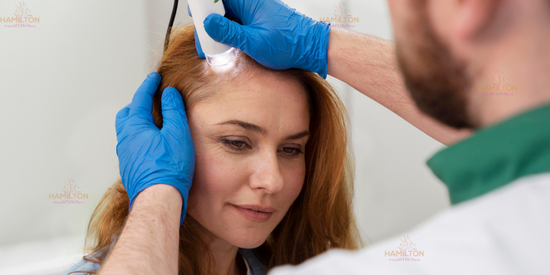
Overview of PRP Treatment for Hair Loss
PRP treatment for hair loss is quite well-known as an effective solution for hair growth. It is quite famous among men and women experiencing early-stage hair loss or androgenic alopecia. The PRP is injected directly into the areas of the scalp exhibiting signs of thinning.
The therapy initiates hair follicle activity by inducing blood supply to the scalp. The activation of a prolonged follicular growth period promotes thicker and healthier hair strands.
A four- to six-week interval is observed after every session. Post-treatment maintenance is arranged to retain the results.
Outcome Evaluation: PRP Treatment for Hair Loss Before and After
The efficacy of the outcome may vary. The underlying factors are age, baseline severity, PRP preparation, and inclusion of other remedies.
The long-term response rate boosts if minoxidil, finasteride, or microneedling is incorporated. It is a safe and tolerable technique with low chances of bruising and headaches.
In the early stages, patients observe noticeable changes. Over time, significant improvements are apparent, chiefly at the crown and frontal areas.
The PRP hair treatment success rate is generally high in mild to moderate situations. However, the progress heavily relies on the health profile, medical history, and adherence.
If the procedure works, there is a 70% to 90% improvement and a 60% to 80% reduction in hair shedding. If the patient opts for post-hair transplant support, the graft survival rate is 90%.
Nonetheless, the recovery potential is minimal in cases of complete baldness and advanced alopecia. Hair loss due to thyroid disease or autoimmune disorders is often challenging to treat.
Post-Procedure Response
- Scalp sensitivity
- Swelling and redness
- Itching or tingling
- Post-injection marks or discoloration
- Throbbing
Less Common Side Effects
- Infections or allergies
- Scar tissue or calcification
- Pressure Sensation
Other Criteria for Exclusion
If the patient is suffering from any blood disorder, chronic liver disease, diabetes, or cancer. The client is pregnant or breastfeeding. The client should not be a heavy smoker. There has not been any recent use of blood thinners.
Is PRP a Permanent Treatment for Hair Loss?
PRP treatment for hair loss is not a permanent cure; rather, it is a long-term management solution. The regimen only delays future hair loss, not cures it.
Gradually, the hair follicles degenerate and shrink because of genetics, hormones, and inflammation. Since the root cause of depletion is not addressed, discontinued care reverts the hair to its original state.
Hence, it is important to consult a PRP treatment for hair loss near me for integrated guidance. It is also necessary to support a balanced and nutritious diet and avoid stress. Resolve pre-existing medical concerns as well as abide by a consistent monitoring protocol.
Frequently Asked Questions
Can PRP treatment be permanent?
PRP treatment does not eliminate genetic predisposition or hormone-related factors. It only targets and awakens the existing dormant follicles. Therefore, it is not a definitive regeneration alternative for hereditary issues.
Is PRP a continuous treatment?
Yes, it is an ongoing process and not a one-time solution. The visible restorations fade progressively without sustained clinical intervention. Once the stimulation is stopped, hair will return to its pre-treatment state.
How long will PRP results last?
The timeline of PRP benefits stretches for about 12 to 18 months. With continued attention and combined therapies, the results can be extended to years. For an integrated analysis, obtain expert advice from a PRP treatment for hair near me.
Conclusion
Thus, PRP-based regenerative treatment is an effective long-term management tool. It is a temporary rejuvenation of hair follicles that improves their density and texture. Clinical trials have supported a significant increase in hair count and overall scalp coverage as well.