
Do’s and Don’ts for Best Results
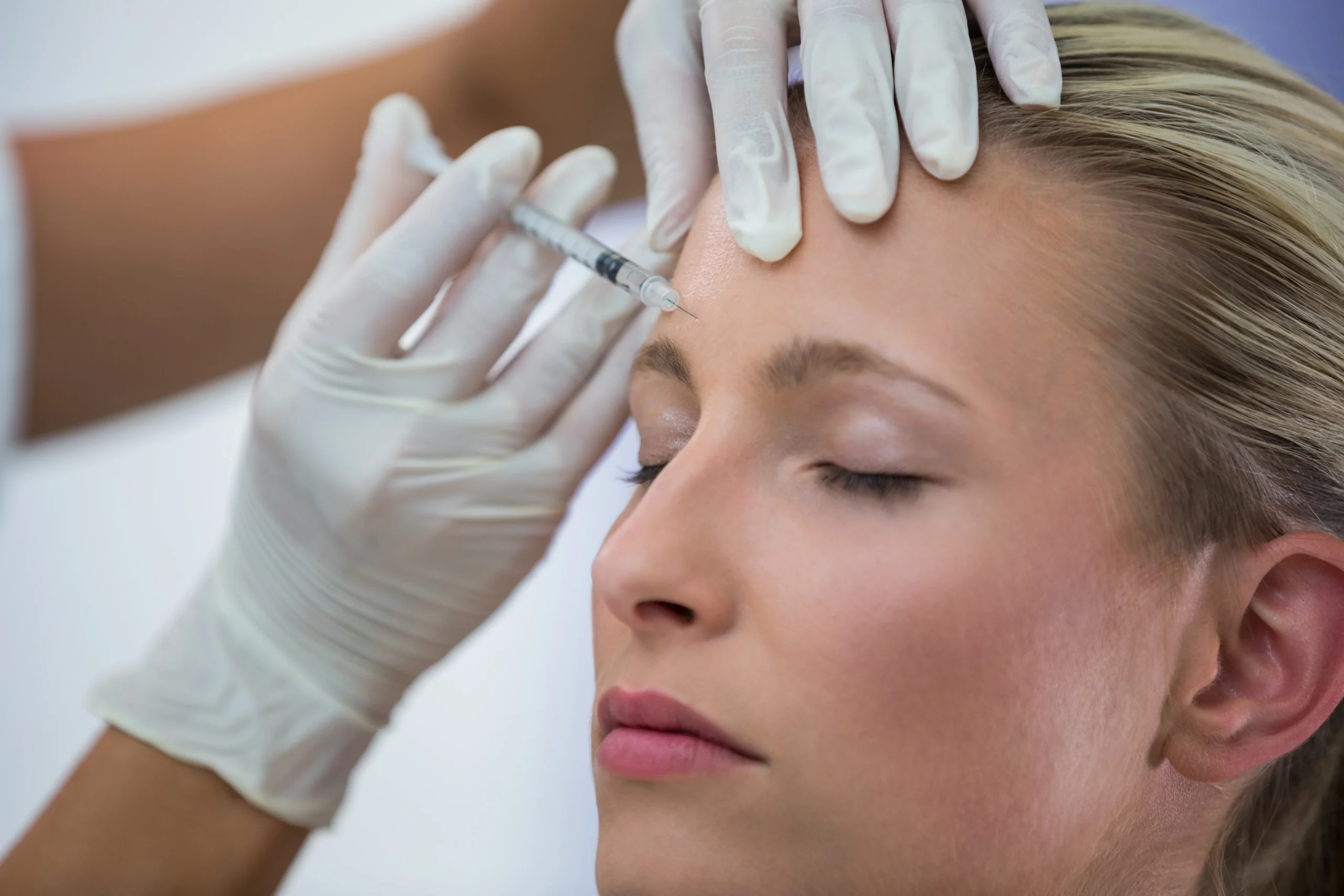
Getting forehead Botox is quick, simple, and requires little downtime. But once you leave the clinic, one question tends to pop up later that night: How am I supposed to sleep?
You may have heard different advice, especially around the lying down after Botox myth. Some people believe that the moment you recline, the product will “move” all over your face. Others think you must stay upright for an entire day. The truth is more balanced and far less stressful.
Here’s what actually matters when it comes to sleeping after forehead Botox, along with practical dos and don’ts to protect your results.
Why Sleep Position Matters After Forehead Botox
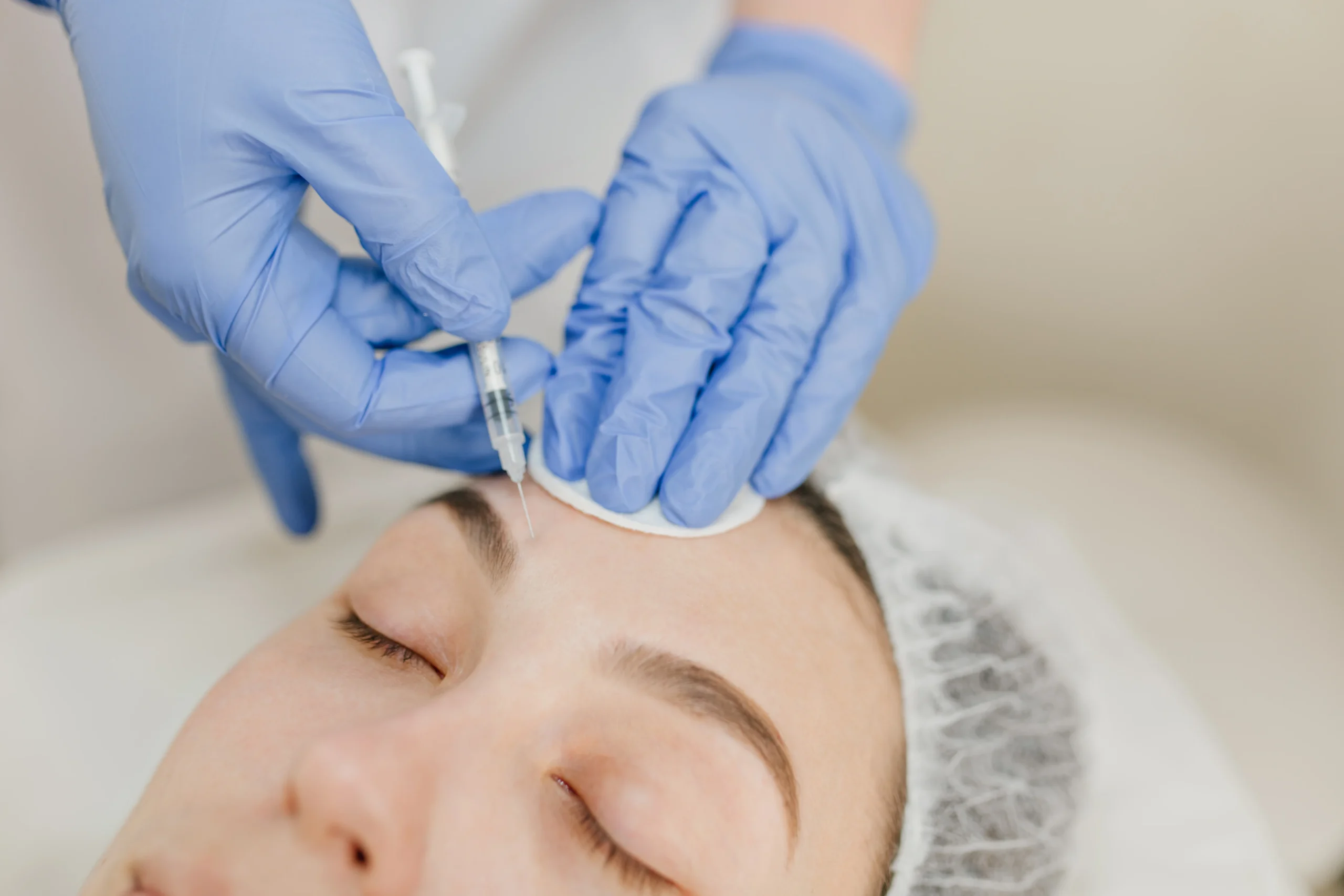
Botox works by temporarily relaxing targeted muscles. After it’s injected, it takes a few hours to begin binding to the nerve endings in the treated area. During this early window, providers recommend avoiding pressure or excessive movement around the injection sites.
This is not because Botox is going to drip or slide around your face. That is where the Lying down after Botox myth comes in. Botox does not behave like a liquid that shifts with gravity once injected correctly into the muscle.
However, applying pressure too soon can potentially affect how evenly it settles.
The goal during the first few hours is simple:
- Avoid pressing on the treated area
- Avoid intense bending or heavy activity
- Give the product time to bind properly
How Long Should You Stay Upright After Botox?
Most providers recommend staying upright for about 3 to 4 hours after treatment.
This means:
- No naps
- No lying flat on the couch
- No face-down massages
Light movement is fine. Walking, working at your desk, and normal daily activities are usually encouraged. After that 3 to 4 hour window, it is generally safe to lie down. The key is avoiding direct pressure on your forehead the first night.
Sleeping the First Night After Forehead Botox
Best Sleeping Position
The first night is really just about being a little mindful. If you can, try to sleep on your back. It helps avoid putting pressure directly on your forehead while the Botox is settling in.
If you are not naturally a back sleeper, do not stress. A couple of small adjustments can make it easier. Add an extra pillow so your head is slightly elevated. Tuck a pillow along each side of your body so you are less likely to roll over in your sleep. Some people even use a travel neck pillow to keep their head from turning too much during the night.
You do not need to overthink it. The goal is simply to avoid pressing your forehead into anything for long periods of time.
What to Avoid on the First Night
Try not to sleep face down, even if that is your usual position. Pressing your forehead directly into the pillow is the main thing you want to avoid. Also, skip tight headbands, snug sleep masks, or anything that sits firmly across your forehead.
By the next day, you can usually go back to your regular sleep routine. The first night is just about giving your results the best possible start without adding unnecessary pressure.
The Lying Down After Botox Myth Explained
Let’s clear this up.
The common myth says that if you lie down too soon, Botox will spread to unwanted areas and cause drooping. In reality, Botox diffusion depends more on injection technique and dosage than gravity.
Lying flat after the recommended 3- to 4-hour window is generally safe. Problems are more likely to occur from:
- Rubbing or massaging the area
- Intense exercise immediately after treatment
- Applying strong pressure
So yes, timing matters. But there is no need to panic if you recline after a few hours.
Do’s and Don’ts for Sleeping After Forehead Botox
Do
- Stay upright for at least 3 to 4 hours after treatment
- Sleep on your back the first night if possible
- Keep your head slightly elevated
- Follow your provider’s specific aftercare instructions
Don’t
- Lie down immediately after your appointment
- Sleep face down the first night
- Rub or massage your forehead
- Schedule a facial or massage within the first 24 hours
Can I sleep on my side after forehead Botox?
It is best to avoid side sleeping the first night if possible. Sleeping on your side can create pressure on the treated area. After 24 hours, side sleeping is typically fine.
What is the rule of 3 in Botox?
The “rule of 3” often refers to staying upright for 3 to 4 hours after treatment. Some providers also use it to describe spacing treatments about every 3 months to maintain results.
How long after Botox can I fall asleep?
You can usually fall asleep about 3 to 4 hours after your treatment. Just try to sleep on your back the first night to reduce pressure.
Can Botox help eczema?
Botox is not a standard treatment for eczema. Eczema is a skin condition related to inflammation and immune response. Botox is used primarily to relax muscles and reduce wrinkles. In some rare medical cases, Botox may be used for excessive sweating that can worsen certain skin issues, but it is not a direct eczema treatment.
Can I sleep on my side 8 hours after Botox?
Yes, 8 hours after Botox is generally safe. The product has typically begun binding to the targeted muscles. However, if you can avoid direct pressure the first night, that is ideal.
How long after Botox can I sleep on my side?
Most providers recommend waiting at least the first night, around 24 hours if possible. After that, side sleeping is considered safe.
Can I sleep on my side 12 hours after Botox?
Yes, 12 hours after Botox is usually safe for side sleeping. Just avoid pressing firmly into your forehead.
How soon can I lie down 3 hours after Botox?
If it has been 3 hours, you are typically safe to lie down. This meets the common upright recommendation window. Still avoid face-down positions.
How long after Botox can I sleep on my face?
It is best to avoid sleeping on your face for at least 24 hours. Sleeping face down creates direct pressure on the treated area, which is not recommended immediately after injections.
Final Thoughts
Sleeping after forehead Botox does not have to be stressful. The biggest takeaway is simple: stay upright for the first few hours and avoid pressure on the treated area that night.
The lying down after Botox myth often makes people overly anxious. Botox does not slide around your face just because you recline. Follow the 3- to 4-hour upright rule, be gentle with your skin, and you can rest easy knowing you are protecting your results.
If you ever feel unsure, your injector is always the best source of guidance. Every treatment plan is slightly different, and personalized aftercare advice will always be the safest route.