
You’re hitting the gym, tracking every calorie, and staying disciplined—yet the scale refuses to budge. If this sounds familiar, the problem likely isn’t your willpower; it’s your internal chemistry. In the USA, millions of men and women struggle with a ‘stuck’ metabolism caused by silent hormonal imbalances that dictate how your body stores fat versus burns it.
Understanding how to accurately test your hormone levels is the missing link to breaking through your weight loss plateau and finally aligning your biology with your goals. In this guide, we’ll break down the essential tests you need to identify the imbalances holding you back.
Why Hormones Levels Matter in Weight Loss
Hormones are chemical messengers in the body. They affect many physiological processes, including weight regulation. Imbalances in hormones, like insulin and cortisol, can disrupt fat burning. The same is true for estrogen, testosterone, and thyroid hormones. This disruption causes weight gain or difficulty losing weight.
Also Read: Who Needs Bioidentical Hormone Therapy?
Identifying Hormonal Imbalances
Recognizing the signs of hormonal imbalances is the first step in addressing them. These symptoms may point to hormone disruptions. They include unexplained weight gain, cravings, mood swings, fatigue, and irregular periods. Consulting with a healthcare professional can help confirm suspicions and guide further testing.
Methods for Hormone Testing Levels
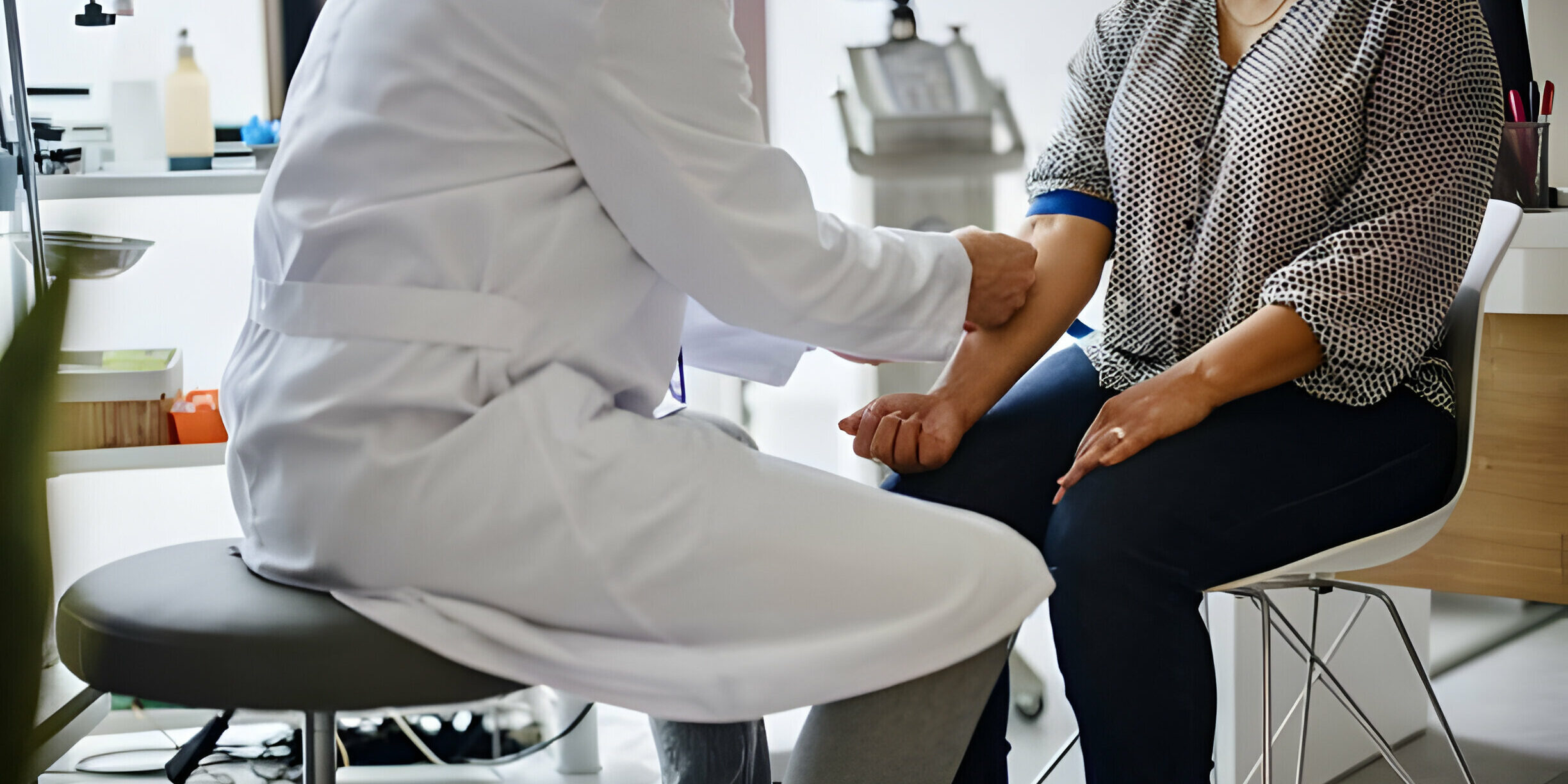
Several methods are available for testing hormone levels. These include blood tests, saliva tests, and urine tests. Blood tests are common. They measure hormone levels accurately. They measure various hormones in the blood. Saliva tests offer a non-invasive alternative, measuring hormone levels in saliva samples. Urine tests may also be used to evaluate hormone levels over a specified period.
Also Read: Is Biote Hormone Pellet Therapy Safe?
At-Home Hormone Testing Kits
For convenience and privacy, you can use at-home hormone testing kits. They are for people who prefer to collect samples at home. The kits have instructions for collecting saliva or urine. You then send the samples to a lab for analysis. Results are often ready in a few days. This allows for quick action if hormone imbalances are found.
Interpreting Test Results
Upon getting hormone test results, you must consult a provider. They will help you understand the findings. An experienced healthcare professional can identify hormone imbalances. They can recommend lifestyle changes, dietary supplements, or hormone therapy.
Also Read: What is the Cost of Bioidentical Hormone Therapy?
Addressing Hormonal Imbalances
Fixing hormonal imbalances requires a multifaceted approach. It may involve diet changes. You’ll also need to exercise often. Manage stress well and sleep soundly. You may also need targeted supplements. Hormone replacement therapy may be recommended for severe hormonal deficiencies or imbalances. It should be done under the guidance of a qualified healthcare provider.
Monitoring Progress
Regularly monitoring hormone levels is vital. It helps track progress and adjust interventions as needed. Follow-up hormone tests can help assess treatment effectiveness. They ensure hormone levels stay in the best ranges for health.
Also Read: How To Reset Women’s Hormones for Weight Loss?
Conclusion
Knowing how to check hormone levels for weight loss is essential, especially for clients of Hamilton Health & Wellness. It’s vital for anyone working to reach their health and fitness goals. By fixing hormone imbalances, people can improve their weight loss and their life. Healthcare pros at Hamilton Health & Wellness can help you. The right treatments can balance your hormones. This paves the way for long-term success in weight management.
Frequently Asked Questions:
When is the best time in my cycle to test hormones for weight loss?
For women, timing is everything. To get an accurate reading of estrogen and progesterone—both of which impact bloating and fat distribution—testing is typically recommended during the luteal phase (usually day 19–22 of a 28-day cycle). Testing at the wrong time can provide a “false normal,” leaving hormonal weight gain undetected.
Which specific blood tests are essential to identify hormone-related weight gain?
To get a clear picture of why your body is holding onto weight, a standard physical isn’t enough. You need a targeted “Weight Loss Hormone Panel” that includes:
Insulin (Fasting): To check for insulin resistance, which locks fat cells and prevents them from being burned for energy.
Cortisol (The Stress Hormone): High levels, especially in the morning, signal the body to store “visceral fat” around the midsection.
Thyroid Panel (TSH, Free T3, Free T4): Your thyroid is the thermostat of your metabolism; if it’s low, your calorie-burning engine is stalled.
Leptin: The “satiety hormone” that tells your brain you’re full. If you’re leptin-resistant, you will feel constantly hungry regardless of what you eat.
Is hormone testing painful?
Hormone testing usually involves a blood draw or saliva sample. This process is minimally invasive and fairly painless.
Can I test my hormone levels at home?
Yes, there are at-home hormone testing kits. They let you collect saliva or urine samples for analysis in a lab.
Is a saliva test or a blood test better for checking hormones?
In the clinical world of BHRT (bioidentical hormone replacement therapy), both have their place. Blood tests (serum) are the gold standard for testing thyroid and insulin levels.
However, saliva or dried urine tests (like the DUTCH test) are often superior for tracking cortisol rhythms and sex hormones (estrogen/progesterone) because they show “bioavailable” hormones—the ones actually active in your tissues—rather than just the ones floating in your bloodstream.
What can I do if my hormone levels are imbalanced?
If hormone imbalances are found, your provider can recommend lifestyle changes. They might suggest diet tweaks, supplements, or hormone therapy. These will rebalance your hormones.
Are hormone tests covered by insurance?
Insurance may cover some hormone tests. It depends on your provider and the specific test. Check with your insurance company for coverage details.
Can hormone testing help with other health concerns besides weight loss?
Yes, hormone testing can also show insights into many health issues. These include fatigue, mood disorders, fertility problems, and more. It allows for targeted interventions and improved wellness.