
12 hours after Botox appointment, the most critical window has already passed, but you are not entirely in the clear yet either. Botox has become the most performed non-surgical cosmetic procedure in the United States.
According to the American Society of Plastic Surgeons, nearly 9.5 million neuromodulator procedures took place in the US in 2023 alone. That volume tells you one thing clearly: millions of people go through the same post-treatment questions every year, and sleep position is at the top of the list.
Understanding what actually happens in your body during those first 24 hours and how different sleep positions affect your results makes a real difference in what you walk away with.
What Happens to Botox in the First 12 Hours
Botox works by blocking the release of acetylcholine, the neurotransmitter that signals facial muscles to contract. Once injected, the botulinum toxin begins binding to the nerve receptors in the targeted muscle. That binding process takes time, and the first four to six hours represent the most sensitive phase of the whole treatment.
During those first hours, the Botox remains in a relatively liquid state within the tissue. Sustained external pressure on the treated area during this period can cause the product to shift away from the intended injection site.
Providers call this migration, and it happens when pressure from a hand, a firm pillow, or lying directly on the face pushes the product into surrounding muscles. Migration does not always cause problems, but in sensitive areas like the forehead and the space between the eyebrows.
It can lead to temporary eyelid drooping, eyebrow asymmetry, or unintended weakening of nearby muscles.
By the time 12 hours pass, most of the initial binding has already occurred. The product has had enough time to begin attaching to the nerve receptors it was injected near.
According to guidelines consistent with guidance from providers at hamiltonwellness.org, the risk of significant migration drops considerably once a full 24 hours passes. However, at the 12-hour mark, you still sit in a transitional zone where extra caution remains worthwhile.
Think of it this way. The binding process is not a light switch. It works more like a gradient. By hour 12, the Botox has partially settled but has not fully locked into place in all cases. Individual metabolism, injection depth, dosage, and the specific area treated all affect how quickly the binding completes.
Someone with a faster metabolism may find the product settles more quickly. Larger doses and more injection sites can extend the window slightly.
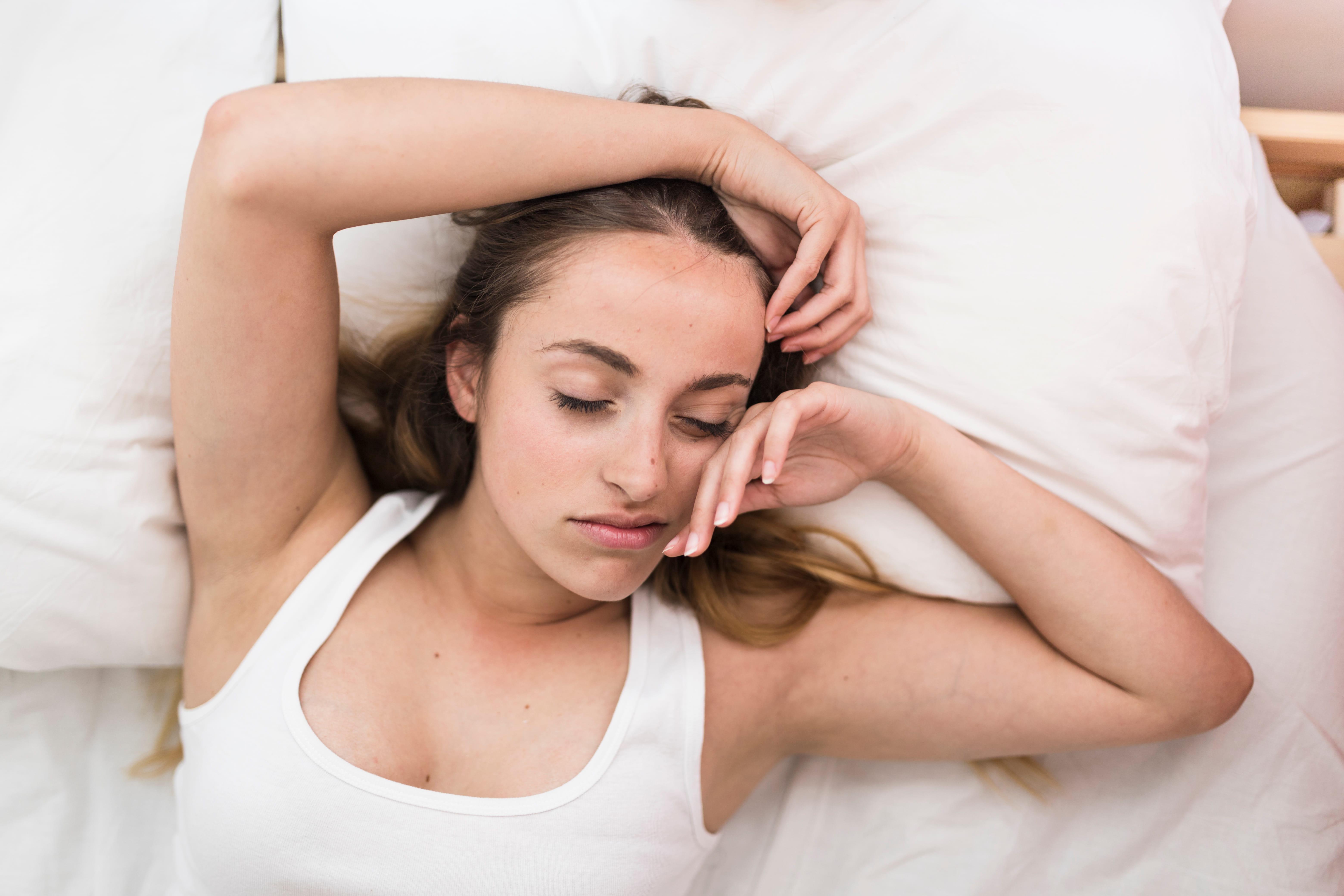
Sleeping on Your Side at the 12-Hour Mark: The Real Risk Level
Most Botox providers place the strictest restrictions on the first four to six hours after treatment.
During that window, they ask patients to stay upright, avoid bending forward, skip exercise, and keep their hands away from the treated area.
After that initial period, the guidance shifts. By 12 hours, you have already cleared the highest-risk phase.
Still, the majority of experienced practitioners recommend sleeping on your back for the first full night after treatment.
Medical News Today, updated in March 2026, notes that lying on your back after the initial four hours is acceptable, but side sleeping still carries a small risk during the first night. The reason is straightforward.
Even at 12 hours, sustained pressure from a pillow against the side of your face or forehead can still influence how the product distributes, particularly if you are a heavy sleeper who stays in one position for hours without moving.
So, if you receive Botox in the morning and go to bed 12 hours later, sleeping flat on your back with your head slightly elevated remains the safer choice. Elevating your head with an extra pillow or a wedge pillow helps in two ways.
It reduces the pull of gravity on the product and also minimizes swelling at the injection sites overnight. That said, accidentally rolling onto your side at some point during the night is extremely unlikely to cause a serious problem.
Most providers emphasize that brief, accidental side sleeping carries far lower risk than sustained pressure over several hours.
If you wake up and realize you have been on your side, the practical advice is simply to gently roll back onto your back. There is no need to panic. The concern is prolonged pressure, not a brief positional shift while you sleep.
If you received Botox specifically in the forehead, glabellar lines between the eyebrows, or crow’s feet around the eyes, take the sleep positioning guidance most seriously.
These areas sit closest to the muscles controlling eyelid movement, and migration in these zones carries the highest risk of temporary ptosis, which is the term for eyelid drooping.
Botox injected in areas like the jaw for teeth grinding or the neck typically carries a lower risk from sleep positioning because the surrounding muscles do not have the same proximity to sensitive structures.

Full Botox Aftercare Timeline and What to Avoid
Understanding the full post-treatment timeline helps you make smart decisions throughout the first 48 hours, not just at bedtime.
In the first four hours after your appointment, stay upright. Avoid lying down entirely, including napping. Do not bend forward at the waist for extended periods. Skip makeup application for at least four to six hours. Keep your hands away from the treated area completely. Do not rub, massage, or apply pressure to the injection sites.
Between four and 12 hours after Botox, the product continues to settle. You can lie down gently, but sleeping on your back remains the recommended position.
If you need to sleep during this window, a wedge pillow or stacked regular pillows work well. Try to avoid sleeping directly on the treated side of your face.
At the 12 to 24-hour mark, the risk continues to decrease. Most providers give full clearance for normal sleep positions after a full 24 hours, though some more cautious practitioners suggest waiting 48 hours before returning to side or stomach sleeping.
Plastic surgeons referenced in guidance from Dr. George Brennan suggest that devoted side sleepers benefit most from waiting the full 48 hours before resuming that position.
Beyond sleep, several other aftercare points matter in the first 24 hours. Skip strenuous exercise for at least 24 hours. Increased blood flow from vigorous activity can affect how the product is distributed in the tissue. Avoid hot showers, saunas, and steam rooms for the same reason.
Heat raises blood pressure and can accelerate product diffusion beyond the target area. Skip alcohol for the first 24 hours, as it promotes bruising and inflammation. Avoid facials, massages, and any head-touching treatments like tight headbands or helmets.
Additionally, change your pillowcase before your appointment if possible. Clean bedding matters because bacteria and allergens on the fabric can contact tiny injection puncture sites and potentially cause irritation. This sounds like a minor detail, but it becomes relevant when you spend six to eight hours with your face against that surface.
What to Watch for After Botox: 12 Hours After Botox
Most Botox side effects fall into the normal category. Minor redness at injection sites, small pinprick marks, mild swelling, and occasional light bruising all represent typical responses to any injection.
A mild headache or a feeling of tightness in the treated area also shows up fairly often, especially for first-time patients. These side effects typically resolve within a few days.
However, certain signs warrant a call to your provider. Significant eyelid drooping, known as ptosis, represents the most discussed complication of forehead Botox.
It develops when the product migrates toward the levator muscle that lifts the upper eyelid. Ptosis from Botox is temporary and resolves as the product wears off over several weeks, but it requires notification to your provider.
Similarly, asymmetry between the two sides of the face, unexpected muscle weakness outside the treated area, vision changes, or signs of infection such as increasing redness, warmth, or discharge all warrant prompt contact with your practitioner.
According to data reviewed by skinworksmed.com in 2025, the overall complication rate for Botox remains extremely low in skilled hands.
The 90 percent patient satisfaction rate reported across multiple surveys reflects the procedure’s strong safety profile when performed properly and when aftercare instructions are followed. The most preventable complications consistently trace back to aftercare lapses in the first 24 hours.
Bottom Line on Sleep and Botox Recovery | 12 Hours After Botox
At 12 hours after Botox, you have cleared the highest-risk phase of your recovery. The product has begun settling into the targeted muscles, and the chance of significant migration has dropped substantially compared to the first four hours.
That said, sleeping on your back through the first full night still represents the safest choice. A slightly elevated head position helps further by reducing both swelling and the influence of gravity on the still-settling product.
If you wake up on your side at hour 12, do not panic. Simply readjust your position and keep going. The real concern is sustained, prolonged pressure over many hours, not a brief positional shift during sleep.
By hour 24, you can return to your normal sleeping habits with confidence. For personalized guidance tailored to your specific treatment areas and dosage, reach out to the team at Hamilton Wellness, where providers can walk you through aftercare specific to your situation.