
Many patients leave their PRP appointment wondering exactly when they can safely return to their morning coffee. Of course, it goes without saying that the cup is only welcome when it doesn’t risk the healing process.
Also, how many days, hours, or minutes does a patient have to wait until they can have their caffeine fix? The guide answers most of the questions for our patients who cannot go without their morning coffee.
If you’re considering PRP treatment but have questions about preparation or recovery, Dr. Samara Latif’s offers personalized consultations at Hamilton Wellness. Our team can help you understand the procedure, expected recovery, and aftercare requirements before scheduling your treatment.
Contact Us: (609) 588 0185 Email Us: admin@hamiltonwellness.org
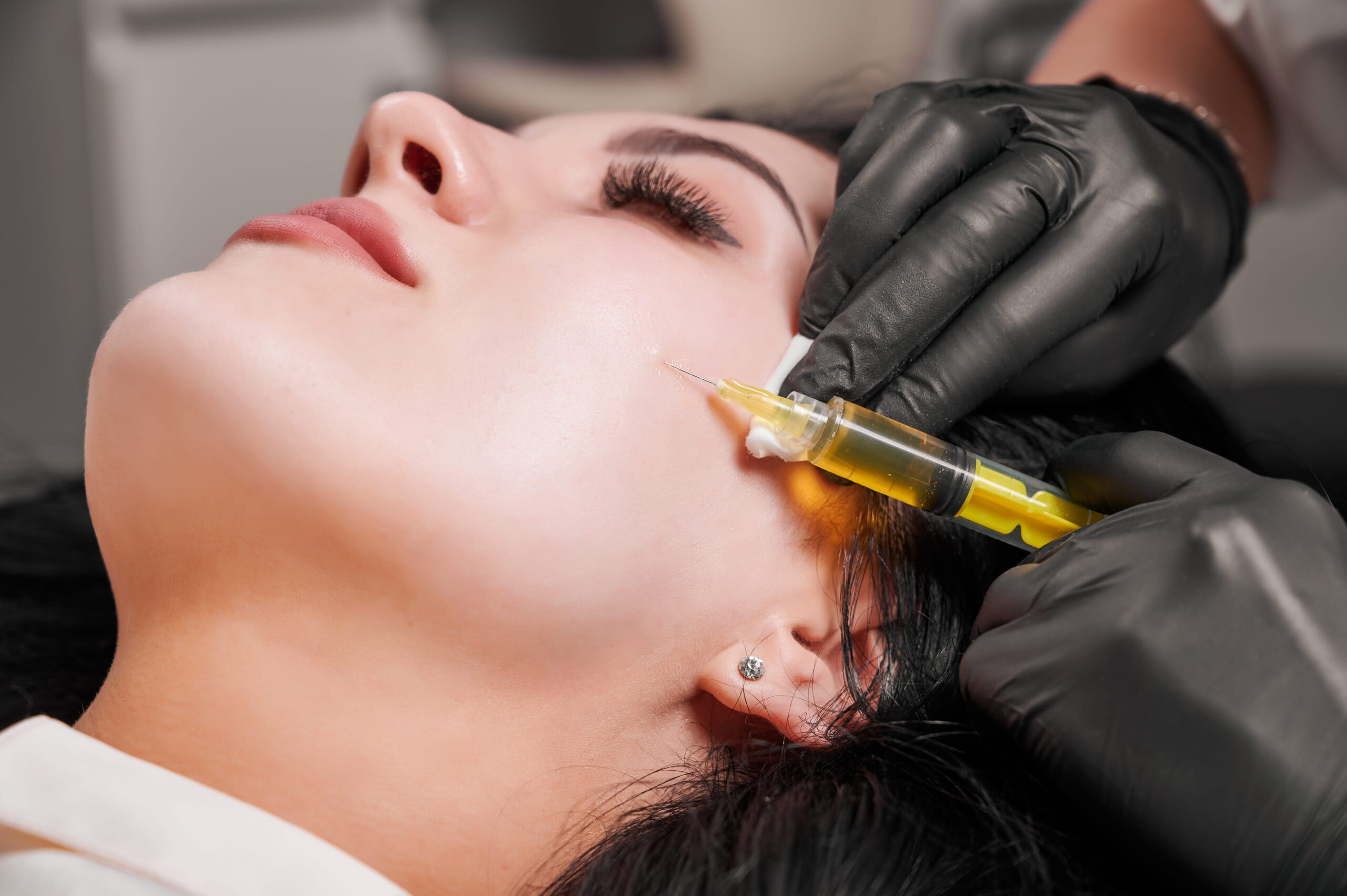
Why Caffeine Interferes with PRP Healing
Caffeine narrows blood vessels and slows the flow of nutrients and growth factors to the treated area. Platelets need steady circulation so they can release their healing proteins and start tissue repair right away.
Caffeine also acts as a mild diuretic that pulls water from the body and can leave tissues less hydrated than ideal during the critical early phase.
In addition, the stimulant may reduce platelet clumping, which forms the first step in building the repair matrix that PRP aims to create.
Research shows coffee compounds can lower platelet aggregation more than pure caffeine alone, yet both still create unwanted variables.
Because of these combined effects, most providers ask patients to pause all caffeine sources, including coffee, tea, energy drinks, soda, and certain supplements during the early recovery window.
Staying free of caffeine keeps blood flow open and lets the concentrated platelets work without extra interference.
How Long to Avoid Caffeine After PRP Injections
The first forty-eight to seventy-two hours matter most because platelets stay highly active and keep releasing growth factors during that span.
Clinics commonly advise a full three to five days without caffeine to give the process the best chance of success.
Some providers extend the pause to seven days when the injection targets joints, tendons, or larger tissue areas that need deeper repair.
Aesthetic treatments for skin and hair often follow the three-to-five-day range while orthopedic cases may lean toward the longer side.
Always follow the exact timeline your own clinician gives because individual health factors, age, and the precise treatment site can shift the ideal window.
After the recommended days, you can reintroduce small amounts and watch how your body responds for any extra swelling or discomfort.
Pretreatment avoidance of caffeine for twenty-four to seventy-two hours also helps because it supports better platelet quality in the blood sample drawn for processing. Starting the restriction early creates a cleaner foundation for the entire procedure.
Not sure how long you should avoid caffeine after your PRP treatment? At Hamilton Wellness, Dr. Samra-Latif Estafan and the clinical team provide individualized treatment guidance based on your medical history, treatment area, and recovery needs. Patients from Princeton, West Windsor, East Windsor, and surrounding Mercer County communities can schedule a consultation to discuss PRP treatment and aftercare.
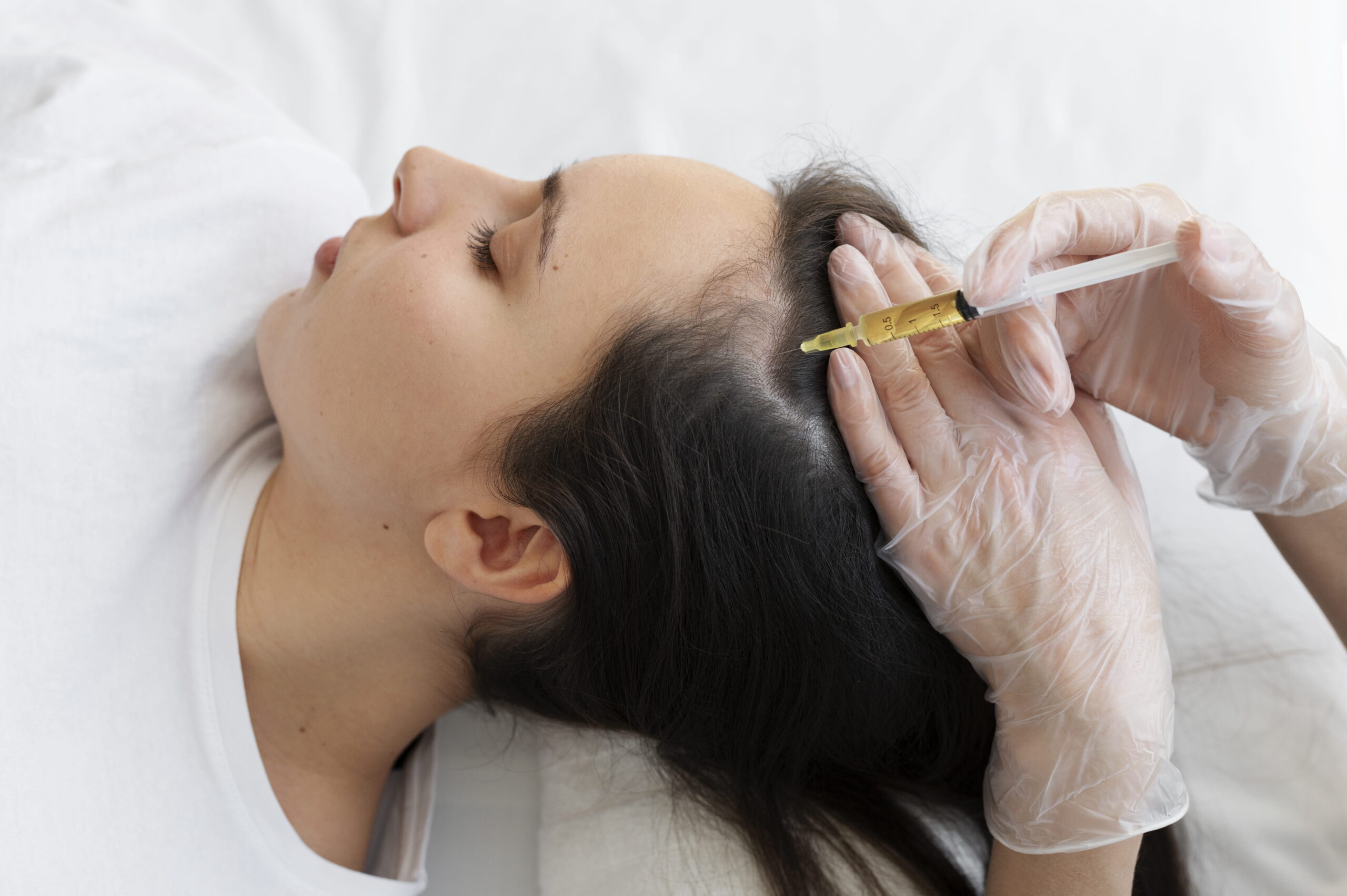
Complete Aftercare Steps That Support Strong Results
Stay well hydrated with plain water and caffeine-free herbal teas. When you have adequate water intake, the body can clear waste and deliver nutrients efficiently to the injection sites.
Also, you need to skip alcohol for at least three days. Naturally, alcohol increases inflammation, thins the blood, and works against the controlled healing response PRP relies on.
Hence, avoid anti-inflammatory medicines such as ibuprofen, aspirin, or naproxen for several days or up to a week. Mild inflammation helps the platelets signal repair cells to arrive.
Rest the treated area and limit strenuous exercise for twenty-four to seventy-two hours depending on the site. However, light walking remains helpful for gentle circulation.
Keep the area clean and protect it from direct heat, saunas, hot baths, or strong sun for a few days to prevent extra swelling.
Sleep becomes especially valuable, so aim for consistent quality rest of seven to nine hours while the growth factors work overnight.
Choose meals rich in lean protein, colorful vegetables, and healthy fats to supply the building blocks tissues need. Many patients also benefit from elevating the treated area when possible and using only acetaminophen if mild discomfort appears.
Disclaimer: Talk to your healthcare provider before pausing blood thinners for the treatment.
What to Expect as You Resume Daily Habits
Most people notice gradual improvement over the following weeks as the healing cascade continues and new tissue forms. Mild swelling, tenderness, or a feeling of fullness can appear in the first few days and then settle on its own.
Once the caffeine-free period ends, start with half a cup of coffee or tea and increase only if you feel no extra discomfort at the sites. Pair the return of caffeine with steady water intake so dehydration does not offset the progress.
Avoid jumping back into heavy workouts or heat exposure too soon. Both activities can increase blood flow in ways that disrupt the early platelet activity.
Skipping the caffeine pause entirely may slow growth factor release and reduce the overall contour or pain relief you hoped to gain.
Patients who stay consistent with the full aftercare plan, including the caffeine window, often report smoother recovery and more noticeable results by the four-to-six-week mark.
Tracking how you feel each day helps you spot any need to adjust and keeps motivation high. Following a clear aftercare plan maximizes the regenerative power of your own platelets and helps you reach the results you want with fewer setbacks.
At Hamilton Wellness, our team walks every patient through personalized PRP aftercare so recovery stays smooth and effective. Reach out today to learn how our PRP treatments and guided support can fit your wellness goals.
Book a Personalized PRP Consultation at Hamilton Wellness.
Wondering whether PRP treatment is right for you or how to prepare for your appointment? At Hamilton Wellness in Hamilton Township, NJ, our team provides individualized PRP consultations, treatment planning, and aftercare guidance.
Dr. Samra-Latif Estafan brings expertise in anti-aging, regenerative, and aesthetic medicine to the practice. Our team welcomes patients from Princeton, West Windsor, East Windsor, and throughout Mercer County and Central Jersey.
Schedule Your PRP Consultation at Hamilton Wellness to discuss your concerns, treatment options, and recovery expectations.