
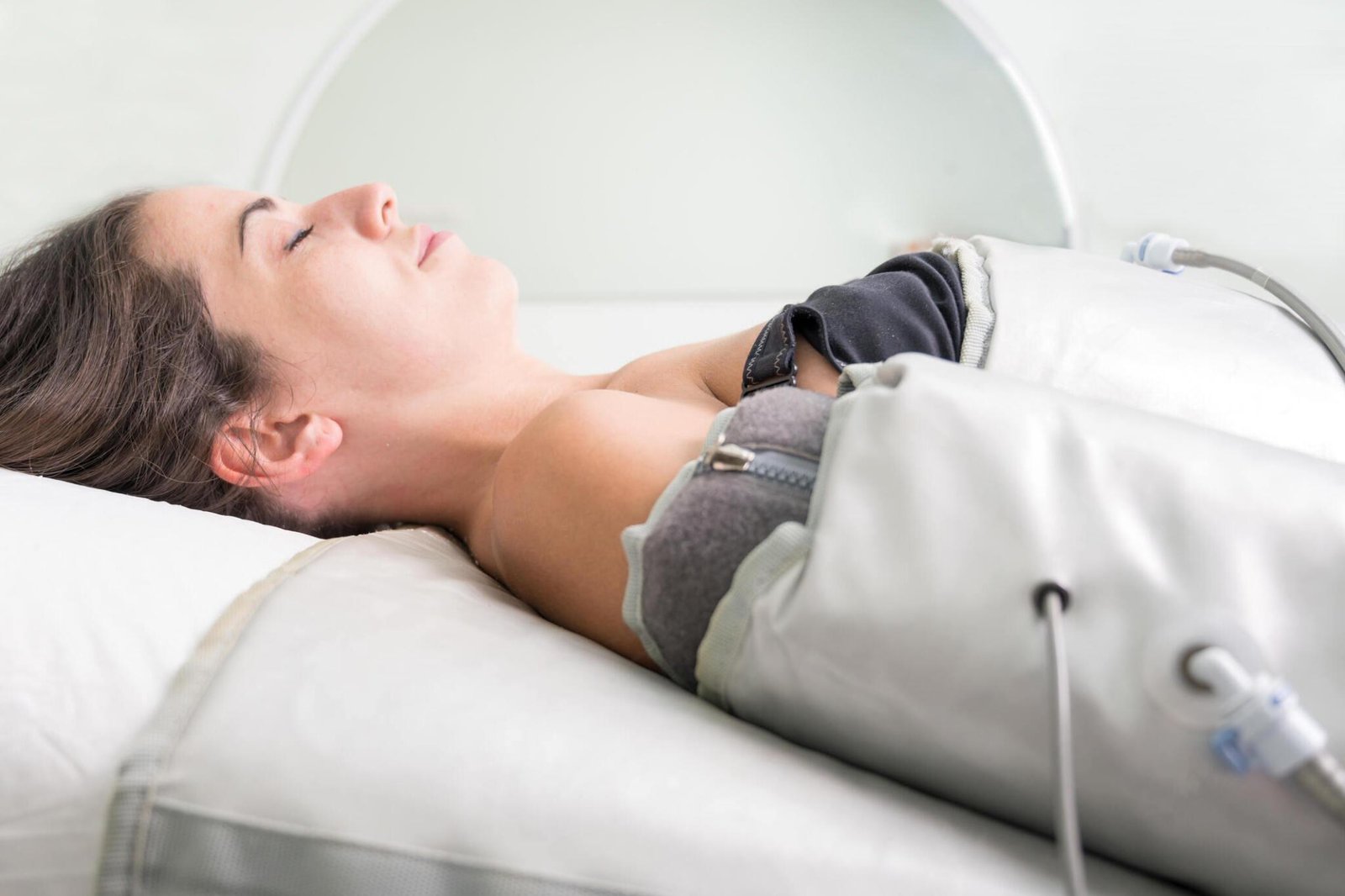
Can You Sleep on Your Side After Botox? Botox is an effective treatment for relaxing and smoothing out wrinkles and fine lines. The treatment targets the relaxation of targeted facial muscles temporarily.
This concern often leads patients to search for guidance on sleeping after Botox, especially during the first night when results are still settling.
“Is it possible to sleep on your side after having Botox done?”
The purpose of this guide is to provide guidance on appropriate sleep positions. We will also discuss precautions and educational answers to formulate the best strategies and sleep postures that would result in optimal treatment outcomes.
What is the Correct Sleeping Position After Botox Treatment? | Can You Sleep on Your Side After Botox
There are certain positions that one can assume after having Botox treatments. Most of these positions are designed to ensure that the Botox settles correctly.
This recommendation is especially important for patients wondering about sleeping on their side after Botox, as side sleeping can place pressure on treated areas and affect how Botox settles.
This can result in side effects such as muscle drooping, uneven results, and eyelid droops. In addition to relieving swelling and bruising at the site of injections, using an extra pillow or a wedge pillow to elevate the head is advisable.
If sleeping flat is too uncomfortable, you might try sleeping in a forward position in a recliner or using multiple pillows to help you sleep upright.
Patients often ask whether they can sleep on their side after Botox, but most providers advise avoiding this position for at least the first night to prevent uneven results associated with Botox sleeping on the side too soon.
In practical terms, this answers a common question many patients ask: when can I sleep on my side after Botox? For most individuals, side sleeping is safe after the first 24 hours, provided there is no tenderness or swelling.
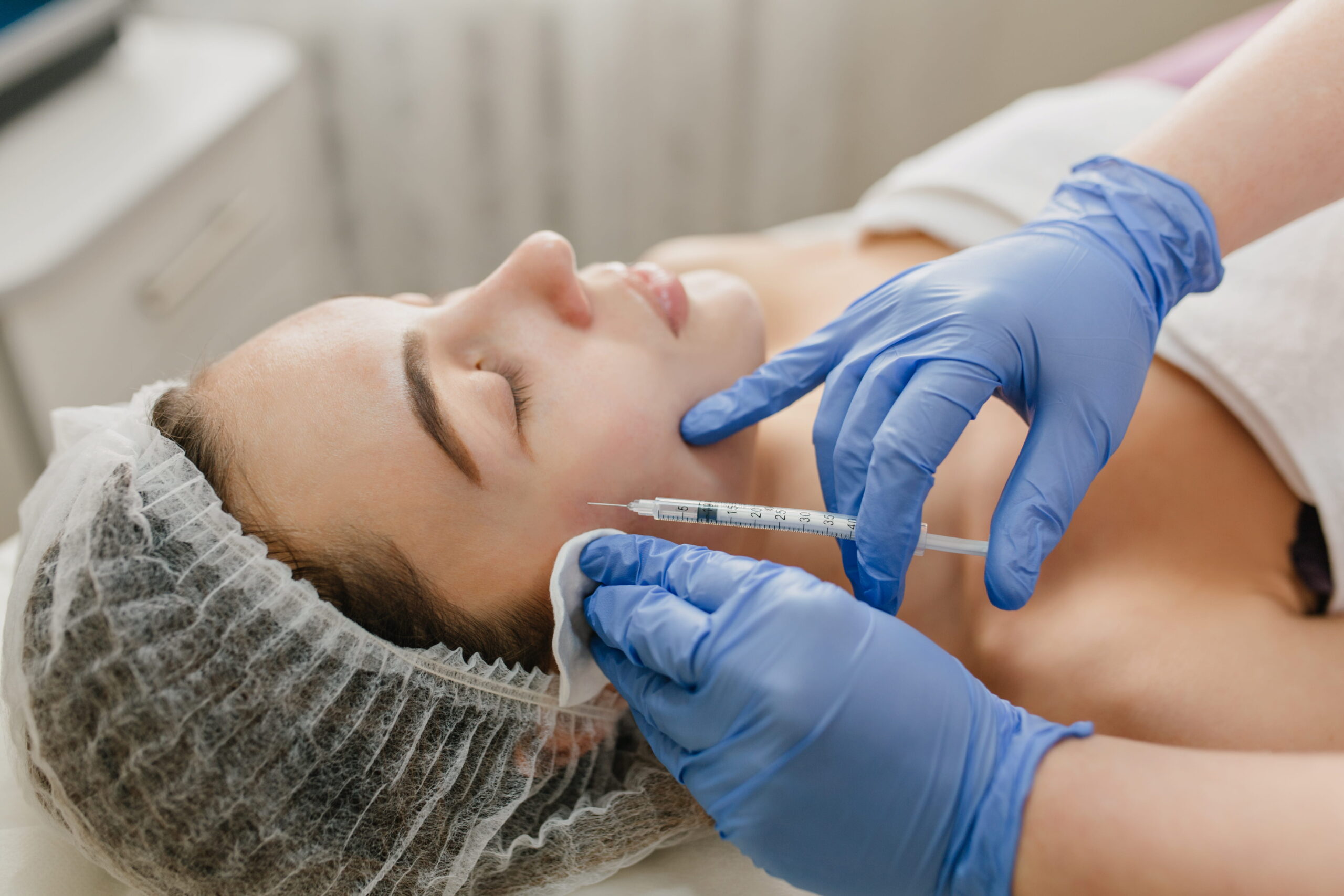
Can You Sleep After Botox?
There are no restrictions on sleeping after Botox, as long as positioning is considered and
One should try as much as possible not to lie down for at least 4 to 6 hours after the procedure. The maintenance time is ideal so that the Botox has time to diffuse into the muscle and the injected area.
Many patients also ask how long after Botox can you lay down. Most practitioners recommend remaining upright for at least four hours, while waiting six hours offers an extra margin of caution.
In some cases, when a person lies down, chances are the Botox may migrate to other regions. It will cause uneven results, such as asymmetry or temporary muscle weakness in the unintended areas.
There is no restriction on sleeping or aiming to rest, as long as this is done in the right manner. You may rest reclined or with the back elevated, which is considerably better.
Also read: How Long After Botox Can I Work Out?
What positions should be avoided after Botox?
- Sleeping on your stomach: While this is a very peculiar position, it puts direct pressure on the face. It will disrupt the relaxing of Botox, which can slow down the settling process and increase the chances of migration.
- Sleeping on your side: This position is also discouraged immediately after treatment, especially if the injected area comes into direct contact with the pillow. If you are concerned about sleeping on the side after Botox, it is best to avoid this position during the first night to help achieve even results.
- Lying down without any elevation: While this may not seem like a lot, when you are sleeping on your back, you should not lie down completely flat. Keeping your head raised slightly helps reduce swelling and supports proper settling of the Botox.
Also read: Can I Lay Down After Botox?
More Precautions for Best Results | Can You Sleep on Your Side After Botox
Can You Sleep on Your Side After Botox? To sleep comfortably while also keeping your body in a safe position, follow these suggestions:
- Place additional pillows under your head so that your head is elevated and you avoid rolling onto your side or stomach.
- Try a travel pillow or neck support to keep your head in a controlled position while you sleep.
- Avoid putting your hands or arms over your face, as this may apply pressure to treated areas.
It is perfectly acceptable to return to side sleeping after around 24 hours. Patients frequently ask, “Can I sleep on my side 12 hours after Botox?” While some individuals may not experience any issues, most providers recommend waiting until the following day to minimize pressure on the treated muscles and optimize results.
Also read: Can Botox Lift the Eyebrows?
Botox Specials Near Me in Hamilton
- It is extremely important that you book a professional for your Botox. There are many reported cases of Botox gone wrong due to the selection of non-professionals. Your negligence in selection may lead to a lifelong disaster for your facial features. Hamilton Wellness offers Botox treatment in Hamilton.
- They offer other treatments like PRP, weight management, and hormonal therapy as well. Their professionals are highly qualified and will consult you on the treatment according to what your face requires.
- If you reside elsewhere in Hamilton, NJ, simply run a Google search for “Botox special near Hamilton Township” or “Botox near Hamilton, NJ.” It will give you endless options to choose from. Look out for patient stories and testimonials to ensure beneficial results.
Also read: Can I Apply Makeup After Botox?
Knowledge-Based | Can You Sleep on Your Side After Botox
After Botox, How Should One Sleep?
The first night after Botox is crucial for making sure the treatment settles in all the right places. Sleep on your back and keep your head elevated, propped on one or two pillows.
When Can I Sleep on the Side of My Face After Botox?
This question—often phrased as “When can I sleep on my side after Botox?”—generally has the same answer: most specialists recommend waiting at least 24 hours before resuming side-sleeping.
How long after Botox can I sleep on my side?
It is generally recommended to avoid sleeping on your side for at least 4–6 hours after Botox injections. During this initial period, the Botox is still settling into the targeted muscles. Lying on your side too soon may place pressure on treated areas, which could cause the product to migrate slightly and affect results.
For facial Botox—especially in areas like the forehead, brows, or jaw—sleeping on your back with your head elevated is the safest option on the day of treatment. After the first night, most patients can safely resume side-sleeping, provided there is no tenderness or swelling.
How should you sleep after Botox?
The best way to sleep after Botox is to remain upright for several hours post-treatment and then sleep on your back with your head slightly elevated the first night. This position helps reduce swelling, minimizes pressure on injection sites, and supports optimal Botox placement.
Additional tips for sleeping after Botox:
- Use a supportive pillow to keep your head stable
- Avoid face-down or on your side the first night
- Do not massage or rub treated areas before bed
- Stay hydrated and avoid alcohol the same day
Following these precautions can help ensure smoother, longer-lasting results.
Can I sleep on my side after masseter Botox?
Masseter Botox targets the jaw muscles, often for teeth grinding, jaw tension, or facial slimming. While the area is less prone to migration than the forehead, it’s still best to avoid side sleeping for the first 4–6 hours after treatment—especially if you naturally apply pressure to your jaw while sleeping.
After the first night, side-sleeping is usually safe. However, if you experience jaw soreness or swelling, sleeping on your back for an additional night may improve comfort and healing. Maintaining proper post-treatment care helps ensure the Botox works effectively within the masseter muscles.
Can I sleep on my side after Botox? Additional Botox Aftercare Tips
In addition to adopting the best sleeping practices outlined above, patients should ensure that the other aftercare instructions are followed to optimize results:
- Do Not Massage the Face: After treatment, a person’s face should be touched as little as possible, alongside general massaging (for skincare), for 24 hours to avoid Botox moving out of the target zones.
- Keep the Head up: Standing or sitting is encouraged for the first four to six hours after the treatment to help the Botox settle.
- Aggressive Movement: Refrain from high-intensity workouts, taking boiling hot baths, going to spas, or consuming alcoholic drinks. This increases blood circulation and the likelihood of bruising.
- Watch for any adverse effects: Call your healthcare provider right away if you experience or notice any of the following symptoms: asymmetrical droopy eyelids, a change/increase in the inability to swallow, or any trouble swallowing.”
Parting Thoughts | Can You Sleep on Your Side After Botox
Any of the Hamilton Health and Wellness providers can administer Botox and give you all the necessary instructions for proper aftercare; this guide can help you sleep on your side after Botox.
With the changes from the Botox they administer, they ensure that there will be the least possible risk of complications. If you want to schedule a consultation or an appointment directly for Botox, reach out to Hamilton Health and Wellness.